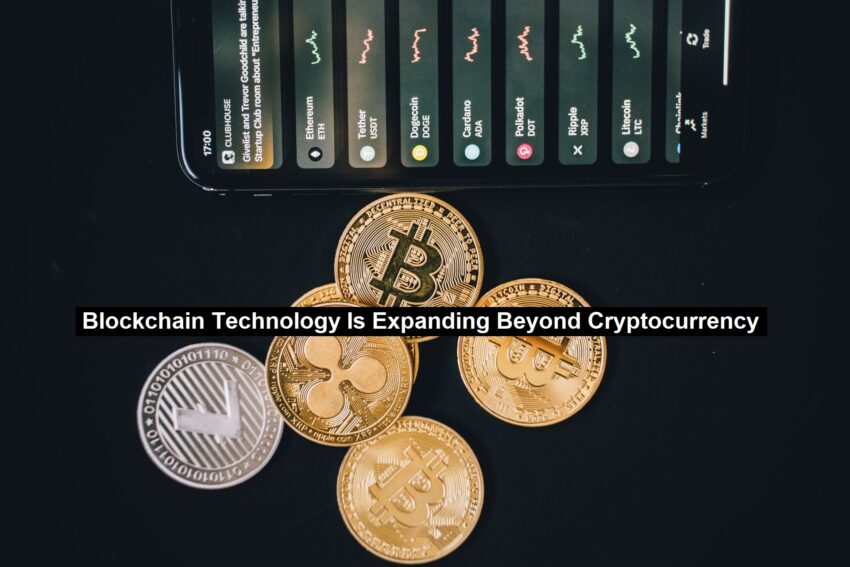
Blockchain technology first gained widespread attention because of cryptocurrencies, but its potential extends far beyond digital assets. Over the past decade, businesses, governments, and research institutions have explored how blockchain can improve transparency, security, and efficiency across countless industries. As organisations continue to embrace digital transformation, blockchain is increasingly viewed as a practical infrastructure rather than simply the technology behind virtual currencies.
Today, blockchain is helping solve challenges related to data integrity, supply chain management, healthcare records, digital identity, and financial services. Industry experts and technology leaders continue to recognise blockchain as an important innovation because it creates trustworthy systems where information can be verified without relying on a single controlling authority. Understanding these broader applications helps organisations identify new opportunities while separating genuine value from short-term trends.
Building More Transparent Supply Chains
One of blockchain’s most practical applications is improving supply chain visibility. Modern supply chains involve manufacturers, distributors, logistics providers, retailers, and consumers spread across multiple countries. Keeping accurate records throughout every stage has traditionally been difficult, particularly when different organisations use separate systems. Blockchain creates a shared ledger where every approved participant can verify transactions, reducing confusion and improving accountability.
Companies can use blockchain to track products from raw materials to finished goods. Every movement, inspection, or ownership transfer is securely recorded, creating a detailed history that is difficult to alter. This level of transparency helps businesses identify delays, reduce fraud, verify product authenticity, and improve inventory management. Consumers also benefit by gaining greater confidence in the products they purchase.
Industries such as food production, pharmaceuticals, luxury goods, and manufacturing have shown growing interest in blockchain-enabled traceability. When organisations can quickly identify the source of quality issues or counterfeit products, they can respond faster, protect customers, and strengthen long-term trust across their supply chains.
Transforming Healthcare Data Management
Healthcare systems generate enormous amounts of sensitive information that must remain secure while being easily accessible to authorised professionals. Blockchain offers a promising solution by providing tamper-resistant records that improve both security and accessibility. Medical organisations continue exploring blockchain as part of broader digital health initiatives supported by ongoing research and collaboration across the healthcare sector.
Instead of relying on disconnected databases, blockchain can help create unified patient records that follow individuals across different healthcare providers. Physicians, specialists, hospitals, and patients themselves can access verified information while maintaining strict privacy controls. This reduces duplicate testing, minimises administrative delays, and supports more coordinated patient care.
Blockchain also strengthens pharmaceutical tracking by documenting every step of a medication’s journey. This makes it easier to detect counterfeit drugs, verify manufacturing information, and ensure regulatory compliance. As healthcare systems continue modernising, blockchain has the potential to improve both operational efficiency and patient safety.
Read: Empower Your Finances: Essential Credit Repair Strategies
Strengthening Digital Identity and Security
Identity verification has become increasingly important as more services move online. Traditional identity systems often require users to repeatedly submit personal information to multiple organisations, increasing the risk of data breaches. Blockchain introduces decentralised identity solutions that give individuals greater control over how their information is shared.
With blockchain-based identity systems, users can securely verify specific details without exposing unnecessary personal data. For example, someone could confirm they meet an age requirement without revealing their complete birth date or address. This approach improves privacy while simplifying digital interactions between individuals and organisations.
Governments, financial institutions, and technology companies continue evaluating decentralised identity frameworks because they offer stronger protection against identity theft while reducing administrative costs. As cybersecurity threats evolve, blockchain-based identity management is expected to become an increasingly valuable component of digital infrastructure.
Modernising Financial Services Beyond Digital Coins
Although cryptocurrency remains blockchain’s most recognisable application, financial institutions have adopted blockchain for many additional purposes. Banks, payment providers, and investment firms continue exploring blockchain to improve settlement times, reduce transaction costs, and increase operational transparency.
Cross-border payments represent one area where blockchain can simplify processes that traditionally involve multiple intermediaries. Faster verification and improved recordkeeping can reduce delays while providing greater visibility into transaction status. Financial professionals also recognise blockchain’s potential for streamlining compliance reporting and reducing reconciliation errors.
As blockchain adoption grows, investors increasingly monitor technology companies connected to the sector alongside cryptocurrency markets. Market participants often evaluate indicators such as the Mara share price when assessing broader sentiment surrounding blockchain infrastructure businesses, although long-term investment decisions should always consider company fundamentals alongside market conditions.
Conclusion
Blockchain technology has evolved into far more than the foundation of cryptocurrency. Its ability to create secure, transparent, and verifiable records is helping organisations address challenges across healthcare, finance, logistics, digital identity, and countless other sectors. Rather than replacing existing systems overnight, blockchain increasingly complements modern digital infrastructure by improving trust and efficiency where reliable information matters most.
As innovation continues, organisations that understand blockchain’s broader capabilities will be better prepared to evaluate meaningful opportunities beyond market headlines. The future of blockchain lies not only in digital currencies but also in building more connected, secure, and transparent systems that benefit businesses, institutions, and consumers alike.